
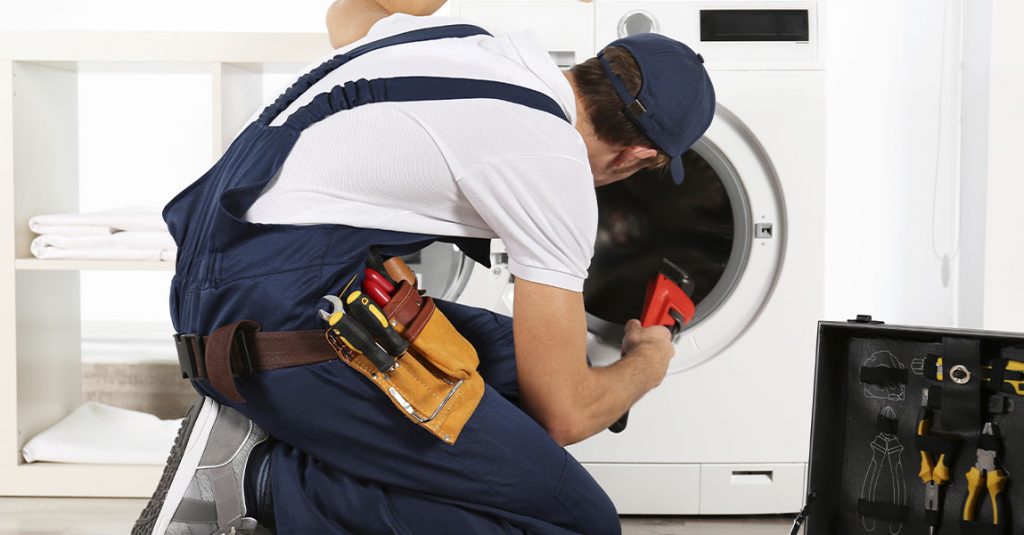
When a washing machine finishes its cycle but the door stays locked, it can feel frustrating and confusing. We often expect the machine to unlock right away so we can take our clothes out. If the door remains stuck, it’s usually more than a glitch. In most cases, a worn-out lock motor or faulty door sensor causes the issue. Understanding how these parts work helps us figure out what’s wrong and what to do next.
Understanding Washer Door Lock Systems
Every front-load washer has a built-in safety system that keeps the door sealed during operation. That lock system uses an electric motor and one or more sensors to track the door’s status. Once the spin cycle ends, the machine signals the motor to release the latch. At the same time, sensors confirm the door is safe to open. If anything goes wrong in this process, the washer keeps the door locked as a safety measure.
Sometimes we find that the motor still tries to disengage but lacks the strength. In other cases, the control board never receives a proper signal from the sensor. Either failure means the washer can’t confirm that it’s safe to unlock the door. That’s when it gets stuck shut. Our team at JAY Appliances has seen this issue come up often in homes that use the washer multiple times a day.
Signs the Door Lock Motor is Failing
The motor responsible for locking and unlocking the washer door is small but critical. When it starts to fail, it doesn’t always stop working right away. Instead, we may notice a delay before the door unlocks or a clicking sound that wasn’t there before. These signs often point to weakening internal parts. If the motor has shorted out or burned internally, the door will likely stay locked with no warning.
We should also pay attention to any heat coming from the door area after a cycle. That could mean the motor is overheating. Eventually, it will stop responding altogether. That’s when the washer finishes the cycle but the door refuses to open. In homes with high laundry loads, this tends to happen sooner. Preventing motor failure involves inspecting the latch assembly before problems get worse.
If this situation keeps happening, it may be time to look into washer repair services in Leduc. A technician can test the lock motor with a multimeter and confirm whether it’s the cause.
How Sensor Failures Prevent the Door From Unlocking
Sensors are just as important as the door lock motor. They send signals to the control board about the door’s position and safety status. If these sensors stop working properly, the washer might think the door is still in motion or unsafe to release. This happens even if the spin cycle has already ended. A broken sensor makes the machine default to a locked state.
In our experience, sensors can fail due to age, excess moisture, or vibration. Water leaks or detergent buildup sometimes interfere with electrical contacts. That leads to signal interruptions. We’ve also seen cases where wiring gets loose behind the panel, which affects how the sensor communicates with the board.
To test sensor function, we usually start by checking if the control panel shows any error codes. Most machines display a symbol or flash a light when the sensor can’t complete its signal. If no code appears but the door still won’t open, the issue might be a weak or disconnected sensor wire. In either case, diagnosing the sensor early prevents bigger problems.
If you’re unsure whether the sensor or motor is responsible, getting help from a technician who specializes in appliance repair in Leduc makes sense. A professional has the tools to test both parts quickly and safely.
What to Avoid When the Washer Door is Stuck
Trying to force the washer door open is never a good idea. We’ve seen cracked doors, broken hinges, and even torn rubber gaskets because someone pulled too hard. Instead of forcing anything, the best first step is to unplug the machine and wait a few minutes. Some washers reset themselves this way. If the door still won’t open, checking the manual release tab is the next move.
Many washers have a small access panel near the bottom. Behind it, there’s usually a pull cord or release lever that can manually open the door. We always advise checking your machine’s manual before attempting this. Releasing the door this way works only when the washer is off and drained. Opening it while full of water creates a mess and may damage other parts.
Avoid restarting the same cycle just to get the door to release. That can stress the motor or board even more. And never pour water into the machine or tamper with the wiring. It’s tempting to try quick fixes, but they often make things worse. Instead, we recommend reaching out to qualified repair specialists in Leduc if the manual release doesn’t work.
How We Diagnose the Problem Step by Step
To figure out what’s keeping the door locked, we take a simple approach. First, we unplug the washer and remove the top or front panel to access the latch mechanism. From there, we can check for visible wear, loose connections, or signs of damage. If the wires are intact and clean, we move to electrical testing.
Using a multimeter, we check the resistance of the motor coil. A healthy motor usually reads between 50 and 70 ohms. If it reads zero or shows no continuity, the motor is likely burned out. If it passes the test, we shift to the sensor and test its function at the control board. Faulty sensors often show inconsistent or no signal.
We don’t replace both parts unless testing confirms failure. Most of the time, one part causes the issue. Swapping just the failed component saves money and prevents extra wear. Before closing the machine back up, we test the door release manually and run a short cycle to verify that the problem is fixed.
Replacing the Door Lock Motor or Sensor
Once we confirm which part is at fault, the next step is replacement. Removing the door lock motor usually involves detaching it from the inside of the front panel. It’s held in place with screws and wire harnesses. Swapping it with a new one takes under an hour in most models. We always make sure to choose a motor that matches the washer model exactly.
Sensor replacement is similar but may involve more wiring. In some washers, sensors are mounted deeper in the door assembly or inside the control board panel. We take photos before disconnecting anything so we can reconnect wires correctly. After replacing the sensor, we test the board for error codes and ensure full communication between components.
One detail many overlook is checking for updated firmware. Some washer control boards need a reset or update to work properly with new sensors. We do that last, then confirm everything by running a full rinse and spin cycle. If all goes well, the door unlocks without delay.
How to Prevent Future Door Lock Issues
Keeping the washer clean and dry after every load goes a long way. We always recommend leaving the door open slightly to let air circulate. Moisture trapped inside causes rust, weakens electrical parts, and shortens sensor life. Wiping the door seal and area around the lock after each use helps prevent buildup.
It’s also a good idea to check for any small clothes or lint stuck near the latch. These can block the lock from closing or prevent the sensor from detecting closure. Every few months, we advise running a cleaning cycle with a washer-safe cleaner to reduce grime on internal components.
If your washer is older or has had multiple repairs, keeping an eye on how the door responds after each load is wise. Early signs of delay or clicking sounds during unlock are warnings. Responding quickly keeps the machine safe and avoids emergency repairs later on.
FAQs
Why does my washer stay locked after the cycle finishes?
Most of the time, a worn-out lock motor or faulty sensor prevents the door from unlocking. These parts can fail gradually or stop working without warning.
Can I open a locked washer door myself?
Some machines have a manual release near the pump filter. If your model includes one, you can pull it while the washer is unplugged and empty.
Is it safe to run another cycle to unlock the door?
No, restarting a cycle puts more strain on already failing parts. It’s better to unplug the machine and wait or use the manual release if available.
How do I know if the door sensor is bad?
Signs include error codes, delayed unlocks, or no sound from the latch after the cycle. A technician can test the sensor directly using a multimeter.
When should I call for professional help?
If the door stays locked after trying safe resets and manual release, it’s best to contact a repair technician to avoid damaging the machine or causing leaks.