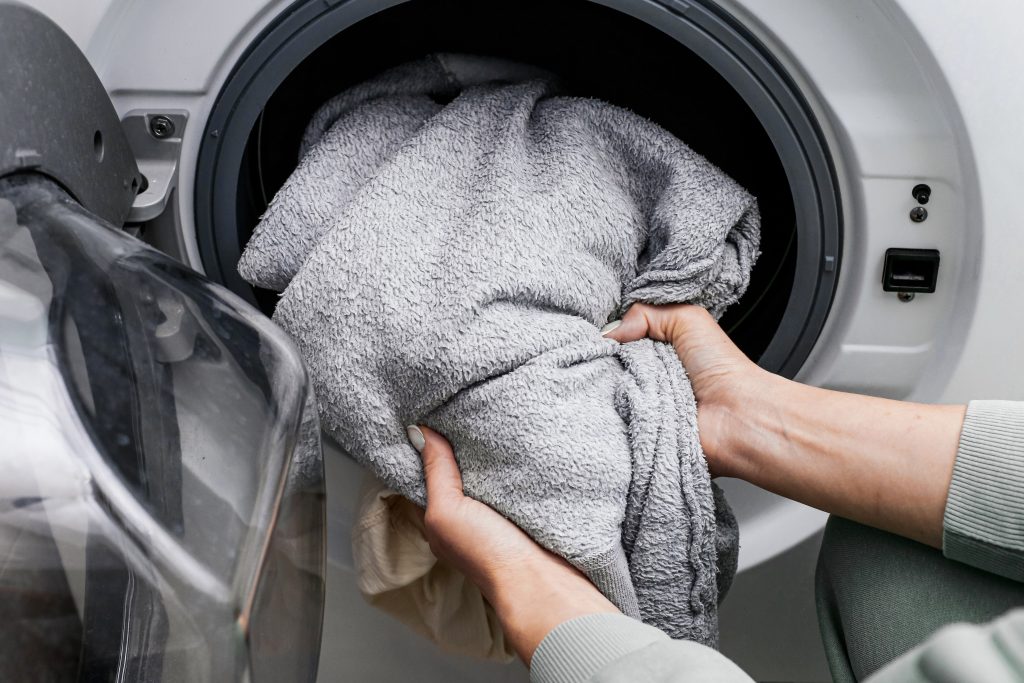
When a washer starts filling then stops suddenly, it can leave you confused and stuck with half-done laundry. This issue often appears without warning, therefore it can disrupt your routine and delay important household tasks. At JAY Appliances, we regularly handle this type of problem and understand how frustrating it feels when a cycle does not continue as expected.
In many cases, the washer begins normally, fills with water, and then suddenly stops before moving to the wash phase. As a result, clothes remain soaked and unfinished, which creates both inconvenience and concern. Understanding the possible causes can help you decide what to check and when to seek professional help.
Common Reasons Your Washer Stops After Filling
There are several reasons why your washer may stop right after it starts filling. Firstly, a faulty lid switch is one of the most common causes. If the washer does not detect that the lid is properly closed, it may stop automatically for safety reasons.
Secondly, a malfunctioning water level sensor can interrupt the cycle. This component tells the washer how much water is inside the drum. However, if it sends incorrect signals, the machine may stop prematurely even when the tub is not filled correctly.
Another possible issue is a timer or control board failure. These components manage the sequence of operations, therefore even a small fault can cause the washer to pause unexpectedly. In addition, wiring problems or loose connections can also interrupt the cycle without warning.
How Water Supply Issues Affect the Cycle
Water supply problems can also cause your washer to stop mid-fill. For instance, if the water pressure is too low, the machine may not receive enough water to continue. As a result, it may pause or shut off before starting the wash cycle.
Clogged inlet valves are another factor to consider. Over time, debris and mineral buildup can block water flow, therefore limiting how much water enters the machine. This issue often develops gradually, which means you may notice the washer stopping more frequently over time.
In some cases, the problem may not be inside the washer at all. For example, a partially closed water valve or kinked hose can restrict flow. Checking these simple issues can save time before moving on to more complex repairs.
If your home has experienced similar appliance interruptions, you might also notice issues with other units. For instance, irregular performance in appliances may relate to broader system concerns, which is why services like dishwasher repair leduc can sometimes reveal shared underlying causes.
The Role of the Door Lock and Safety Features
Modern washers rely on safety systems to prevent accidents. Therefore, if the door lock mechanism fails, the machine may stop immediately after filling. This happens because the washer cannot confirm that it is safe to continue spinning or agitating.
The door lock system includes sensors and electronic controls. However, if any part of this system malfunctions, the washer may behave unpredictably. In some cases, it may start filling but stop once the system detects an issue.
Additionally, safety features may trigger shutdowns if the machine senses imbalance or unusual movement. Although this protects the appliance, it can create confusion for homeowners who are unsure why the cycle stops so quickly.
Control Board and Electrical Problems
The control board acts as the brain of the washer. Therefore, when it develops faults, the machine may stop at random stages, including during the filling process. Electrical surges, wear over time, or moisture exposure can all damage this component.
Loose wiring connections can also interrupt signals between parts. As a result, the washer may stop even though all major components are still functional. Diagnosing these issues requires careful inspection, since electrical faults are not always visible.
If your household appliances show inconsistent behavior, it may be helpful to look at other equipment as well. For example, services like dryer repair leduc can help identify whether electrical issues are affecting multiple appliances at once.
When to Repair or Replace Components
Knowing when to repair or replace parts depends on the severity of the issue. Firstly, simple problems like clogged valves or loose hoses can often be fixed quickly. However, more complex issues such as control board failures may require professional repair.
At JAY Appliances, we carefully inspect each component to determine the exact cause. Therefore, repairs are based on accurate diagnosis rather than guesswork. This approach helps avoid unnecessary replacements and keeps costs manageable.
In some cases, replacing a single part can restore full functionality. On the other hand, older washers with multiple failing components may benefit from more extensive repairs. Understanding the condition of your appliance helps you make the best decision for long-term performance.
If you notice similar interruptions in cooling or heating appliances, it may indicate broader wear across systems. For example, issues handled through freezer repair leduc or cooktop repair leduc can sometimes point to shared electrical or usage-related factors.
Preventing Washer Interruptions in the Future
Preventing this issue starts with regular maintenance. Firstly, keeping water inlet filters clean ensures proper flow and reduces strain on internal components. In addition, checking hoses for kinks or damage helps maintain consistent water supply.
It is also important to avoid overloading the washer. Excess weight can trigger safety systems and cause the cycle to stop unexpectedly. Therefore, following recommended load sizes can improve both performance and durability.
Routine inspections can also catch small issues before they become major problems. For instance, identifying early signs of wear in sensors or wiring allows timely repairs. If you need reliable assistance, you can always explore support options through appliance repair leduc for professional guidance.
FAQs
Why does my washer stop right after filling with water?
This usually happens due to a faulty lid switch, water level sensor, or control board issue. Therefore, the washer cannot continue the cycle because it does not receive the correct signals.
Can low water pressure cause my washer to stop?
Yes, low water pressure can prevent the washer from filling properly. As a result, the machine may stop because it cannot reach the required water level.
Is it safe to keep using the washer when this happens?
It is not recommended to continue using the washer without fixing the issue. However, repeated interruptions can lead to further damage or incomplete cleaning cycles.
How do I know if the control board is faulty?
Signs include random stopping, failure to move to the next cycle, or inconsistent behavior. Therefore, professional diagnosis is often needed to confirm this issue.
When should I call a professional for this problem?
You should call for help if basic checks do not resolve the issue. In addition, repeated stopping or electrical concerns should always be handled by experienced technicians.