
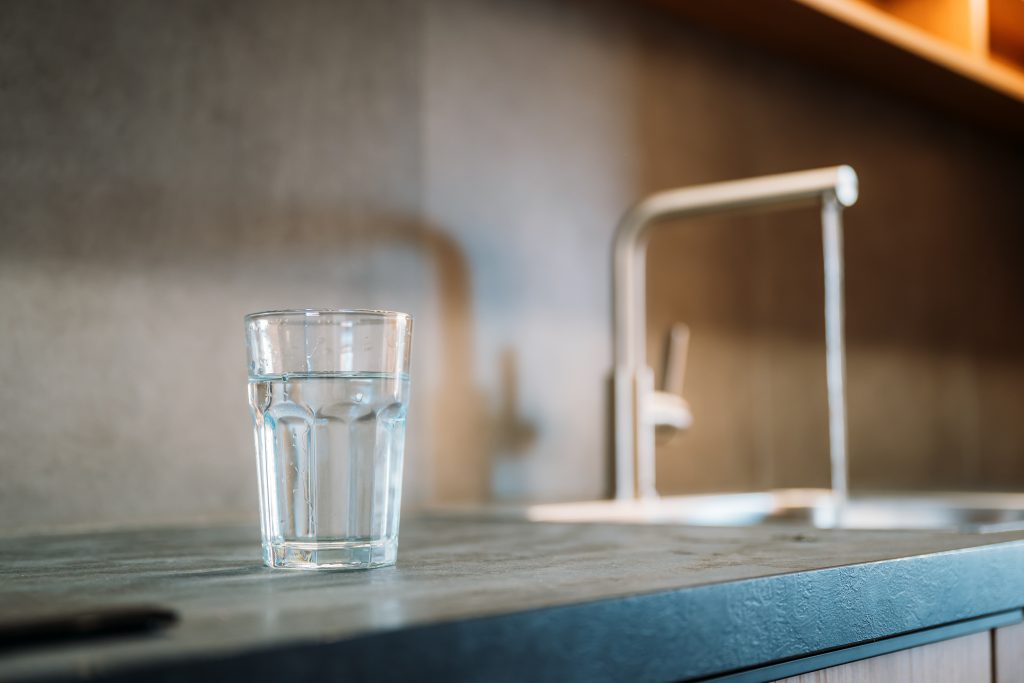
Glasses smell weird even when everything looks clean, and that can ruin the whole “freshly washed” feeling. Therefore, when Jay Appliances hears this complaint in Leduc homes, the goal is to find where odor is being trapped and then fix the cause instead of masking it. Most importantly, a smell on glass usually points to moisture, residue, or dirty airflow inside the dishwasher.
Odors can cling to smooth surfaces because glass doesn’t hide residue the way plates sometimes do. In other words, you may be tasting yesterday’s dinner even though the cycle finished and the dishes look spotless. The good news is that this problem is usually trackable with a few focused checks.
Why Glass Holds Onto Odors After a Wash
A dishwasher cleans with heat, detergent chemistry, and strong water movement. Consequently, if any one of those is weakened, oils and proteins can stay behind as a thin film that you can’t see but you can smell. That is to say, the machine may be “washing” but not actually removing what causes odor.
Hard water is another common factor around Alberta. However, mineral deposits can bind food residue to glass and create a dull haze that also traps smell. If glasses smell weird after every wash, it’s often a combination of residue plus a damp interior that never fully dries out.
The Hidden Odor Traps Inside the Dishwasher
Start with the filter and sump area at the bottom of the tub. For example, a clogged filter can hold wet food scraps that keep fermenting between cycles, and that smell can reappear the next time steam rises. Pull the filter, rinse it well, and remove any trapped debris around it.
Next, check the spray arms. Meanwhile, if holes are blocked with particles or mineral scale, water won’t hit the glass surfaces with enough force, so odor film stays behind. Spin the arms by hand and clear any blocked openings with a soft tool like a toothpick.
Door gaskets and the bottom edge of the door are also prime odor zones. Similarly, biofilm can build up in folds where water sits, and each hot cycle reactivates the smell. Wipe the gasket with warm soapy water, then dry it.
glasses smell weird When Water Isn’t Draining Properly
If the dishwasher leaves a small pool of water at the end of the cycle, odors can transfer right back onto clean glass. Therefore, listen for a strong drain sound near the end of a wash, and check the sink drain connection if the dishwasher hose ties into it. A partially blocked drain path can cause slow draining and stagnant water.
Look at the drain screen area for labels, broken glass, or food pieces that slip past the filter. In addition, check the air gap or high loop under the sink if your setup uses one, because poor routing can allow dirty water to drift back. If draining seems weak or inconsistent, booking professional help through dishwasher repair Leduc can prevent bigger leaks and pump damage.
Detergent, Rinse Aid, and Load Choices That Affect Smell
Detergent amount matters more than most people think. Consequently, too much detergent can leave a soapy film that holds odor, while too little may not break down greasy residue. If you changed detergent recently and glasses smell weird started right after that, switch back for a week and compare results.
Rinse aid helps water sheet off glass, which improves drying. On the other hand, if rinse aid is empty, droplets can dry slowly and leave behind odor-carrying minerals and residue. Top it up and run a hot cycle.
Loading can also cause odor transfer. For instance, if greasy plastics sit above glasses, steam can lift odor and redeposit it on the glass surfaces. Put plastics on the top rack away from glasses when possible, and keep glasses spaced so water can circulate.
Cleaning Cycles That Actually Remove Odor Film
Run the hottest cycle your dishwasher allows once in a while, especially after heavy cooking weeks. Therefore, a high-heat wash helps dissolve oils and reduces biofilm that survives cooler “eco” cycles. If your machine has a sanitize option, use it occasionally when odor keeps returning.
A dishwasher-safe cleaner can also help remove buildup. In other words, it targets the hidden grime in hoses and corners that normal detergent doesn’t fully clear. Avoid mixing cleaning chemicals, and never combine bleach with vinegar or other acids.
If odor persists even after cleaning, the heating system could be underperforming, which prevents proper wash temperature and drying. To clarify, that’s when a trained diagnosis matters, and Jay Appliances can confirm whether the heater, thermostat, or circulation is doing its job.
When It’s Time to Book Service
If glasses smell weird continues after you clean the filter, clear the spray arms, and confirm good draining, the issue may be mechanical or temperature-related. Consequently, circulation pumps, drain pumps, and heating components can weaken gradually without obvious error codes. A quick visit often saves time and prevents repeat detergent experiments.
If you want help across more than one kitchen appliance, start at the main service page at appliance repair Leduc and choose the right booking path. Moreover, if you’re dealing with other home issues at the same time, Jay Appliances also supports cooktop repair Leduc, dryer repair Leduc, and freezer repair Leduc when a busy household needs everything working smoothly.
FAQs
Why do only my glasses smell, not the plates?
Glasses have smooth surfaces that show residue differently, and they often sit where airflow is weaker during drying. Therefore, a thin film from detergent, minerals, or food oils can cling to glass and hold odor even when plates look fine.
Can hard water make clean glass smell bad?
Yes, because mineral deposits can trap residue that carries odor. Consequently, even a “clear” glass can hold a layer that reacts to heat and steam during the next cycle, bringing the smell back.
Will switching detergent fix the odor?
Sometimes, especially if the new detergent leaves film or doesn’t match your water hardness. However, detergent alone won’t solve odors caused by a dirty filter, slow draining, or biofilm on gaskets and spray arms.
What’s the fastest first step I should try?
Clean the filter and wipe the door gasket, then run a hot cycle. In addition, check that the dishwasher drains strongly at the end, because standing water is a common source of recurring smell.
When should I call a technician for this problem?
If the odor returns after cleaning, draining checks, and a hot wash, a heating or circulation issue may be reducing wash performance. Therefore, professional troubleshooting can confirm water temperature, pump strength, and whether parts need repair.