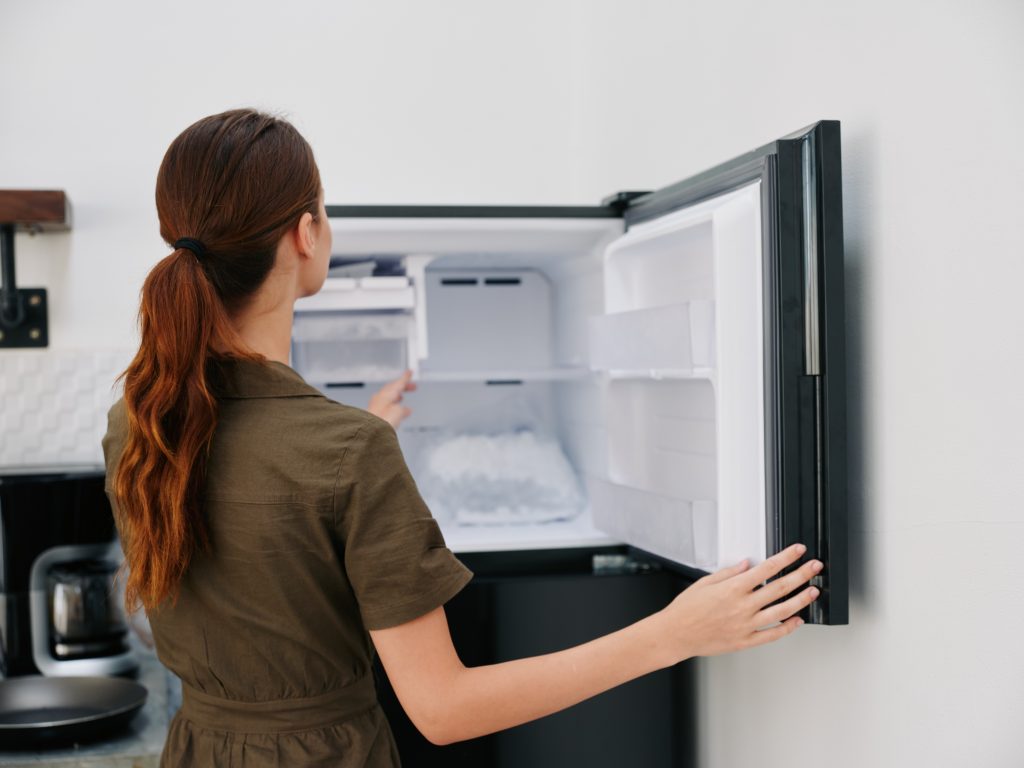
If your freezer smells clean but leaves odor in stored food, you are dealing with one of the most frustrating kitchen problems homeowners face. JAY Appliance Repair Leduc sees this issue regularly. The freezer interior may look spotless and smell neutral. Yet every piece of meat, bread, or leftover you pull out carries a strange, unpleasant scent. Understanding why this happens can save your food, your appliance, and your sanity.
Why a Clean-Smelling Freezer Still Contaminates Food
Many people assume that if a freezer smells fine when opened, the unit is working perfectly. That assumption leads them in the wrong direction. Odor transfer involves airflow, temperature consistency, packaging habits, and sometimes a mechanical problem. The smell in your food may have built up over weeks before you ever detected it.
Freezers circulate air internally to maintain an even temperature. That same airflow carries microscopic odor particles from one area to another. Even a mild source odor becomes concentrated through repeated circulation. Proteins, fats, and porous foods like bread absorb these particles faster than most people realize.
Common Causes of Odor Transfer in Freezers
Improperly sealed food is the most common culprit. Thin plastic bags, loose-lidded containers, or torn wrapping expose your food to constantly circulating air. A single open container of fish or heavily seasoned meat can affect everything else in the freezer within days.
Frost buildup is another major factor. When frost accumulates on interior walls or around the drain area, it traps odors from past spills and food residue. Even after wiping the interior clean, frost that has not fully thawed may still hold odor. Manual-defrost freezers are especially prone to this issue.
The drain pan and drain tube also deserve attention. Most people never clean these components. Yet they collect moisture, old food particles, and mold over time. The freezer may smell clean at nose level. But odor rising from the drain system circulates right back into stored food. Pulling out your freezer and cleaning the drain pan underneath can make a dramatic difference.
Old door gaskets create a related problem. When the rubber seal around your freezer door begins to crack or compress unevenly, warm air enters the unit. That warm air carries humidity and ambient kitchen smells. The freezer absorbs all of it, and so does your food.
The Role of Temperature Fluctuations
A freezer that cycles through temperature swings creates the perfect environment for odor transfer. When temperature drops and rises repeatedly, ice crystals in your food melt slightly and refreeze. This process draws in surrounding air and the particles it carries. Your food essentially breathes in whatever floats through the freezer at the time.
A freezer should hold a consistent 0°F or -18°C. If yours fluctuates, the compressor or thermostat may need attention. Inconsistent cooling also speeds up freezer burn. Freezer burn creates its own unpleasant taste and smell that compounds the original problem.
If your fridge shares a similar odor issue, both appliances may have a ventilation or drainage problem worth inspecting together.
How to Eliminate the Problem Step by Step
Start by removing everything from the freezer and doing a full defrost. Use warm water and a mild baking soda solution. Wipe down every interior surface, including walls, shelves, and the area around the drain opening. Pay close attention to corners and crevices where residue hides.
Replace all food storage with airtight, freezer-grade containers or heavy-duty freezer bags. Press out as much air as possible before sealing. Label everything clearly. Throw out anything stored longer than the recommended time. Old food contributes actively to the odor cycle.
Check the door gasket by running your fingers along the entire seal. Feel for gaps, hardness, or areas where the rubber no longer springs back. A damaged gasket needs replacement. That repair is best handled by a qualified technician.
Clean the drain pan under the unit. Slide the freezer away from the wall. Locate the pan, remove it carefully, and wash it with hot water and dish soap. This step alone eliminates a hidden odor source most homeowners overlook for years.
If the problem returns within a few weeks, the issue likely lies inside the appliance itself. A failing evaporator, malfunctioning fan, or drainage problem requires professional diagnosis.
When It’s Time to Call a Professional
Some odor problems point to mechanical failure rather than storage habits. A broken evaporator fan causes uneven airflow and poor temperature distribution. A cracked drain line allows moisture to pool in areas you cannot easily reach. Mold growth inside the insulation layer produces persistent odors. No amount of surface cleaning will fix that.
JAY Appliance Repair Leduc handles exactly these kinds of hidden, recurring problems. If you have cleaned your freezer thoroughly, upgraded your storage, and the smell keeps returning, stop guessing. A professional inspection will find what surface cleaning cannot.
Appliance problems rarely fix themselves. A freezer working harder than it should — due to a gasket leak or drainage issue — also drives up your electricity bill. Addressing the root cause protects both your food and your energy costs.
Dishwasher problems can introduce odors into your kitchen environment. These odors eventually reach your freezer, especially in open-concept kitchen layouts. Consider whether other appliances may be contributing to the overall smell in your home.
A poorly maintained stove that vents grease or burning residue into kitchen air can feed odor into a freezer with a compromised door seal. Whole-kitchen appliance maintenance matters more than most homeowners realize.
Preventing Freezer Odor Transfer Long-Term
Prevention is far simpler than repeated cleaning cycles. Store all food in airtight containers rated for freezer use. Defrost and clean your freezer every six months, even without an obvious smell. Inspect the door gasket annually. Replace it at the first sign of wear. Keep a small open box of baking soda inside the freezer to neutralize ambient odor between deep cleans.
Avoid storing strong-smelling items in thin or loosely sealed packaging. Double-bag fish, fermented foods, and heavily spiced dishes as a standard habit. Keep your freezer at least 75% full. A full freezer maintains temperature more efficiently and reduces the air volume available for odor circulation.
Monitor your freezer’s temperature with an inexpensive thermometer. If you notice regular fluctuation beyond one or two degrees, call a technician early. Catching problems before they worsen protects your food and your appliance’s lifespan.
JAY Appliance Repair Leduc recommends a professional appliance check every two years, even when everything seems fine. Early detection of gasket wear, drainage issues, or cooling inconsistency prevents persistent odor transfer before it becomes a serious problem.
If your freezer smells clean but leaves odor in stored food despite your best efforts, the solution exists. Start with the steps above. If the odor returns, reach out to JAY Appliance Repair Leduc and let a qualified repair team trace it to the source. Visit appliancerepairleduc.ca to book your inspection today.
Frequently Asked Questions
Why does my freezer smell fine but my food tastes off? Odor transfer happens at a level your nose may not detect when the door is open. Air circulates continuously inside the unit. Even faint odors from old spills, frost buildup, or a worn gasket concentrate inside your food over time. The smell becomes obvious once you thaw and eat the food.
Can old freezer burn cause odors in other foods? Yes. Freezer-burned food releases oxidized fat and moisture particles into the freezer air. These particles settle onto nearby foods and affect their taste and smell. Porous items like bread, pastries, and lightly packaged proteins are especially vulnerable.
How often should I clean my freezer to prevent odor problems? A thorough defrost and interior clean every six months works well for most households. If you store large quantities of fish, game meat, or strongly flavored foods, clean it every three to four months. Pay extra attention to the drain area each time.
Could my freezer’s compressor be causing the odor problem? A failing compressor causes temperature inconsistency, which accelerates odor transfer and freezer burn. The compressor itself does not produce odors directly. But the conditions it creates — temperature swings, excess moisture, poor airflow — make odor transfer significantly worse.
When should I call a repair technician instead of cleaning the freezer myself? Call a technician when odors return within a few weeks of a thorough cleaning. Also call when you notice temperature fluctuations, visible gasket damage, or when cleaning the drain pan does not resolve the problem. These signs point to a mechanical issue that surface cleaning cannot fix.