Have you ever been standing in your kitchen and heard a faint clicking noise coming from the back of your fridge? You’re not alone. Clicking sounds from refrigerators are one of the most common concerns homeowners bring to appliance technicians. JAY Appliance Repair Leduc gets calls about this issue regularly, and the good news is that not every click signals a serious problem. Understanding what causes these sounds can help you decide when to relax and when to call a professional for fridge repair.
Why Your Fridge Makes Clicking Sounds
Modern refrigerators are complex machines with several components cycling on and off throughout the day. Clicking sounds from the back of your fridge can originate from multiple sources. Some are completely normal. Others point to wear, malfunction, or imminent failure. Knowing the difference saves you time, money, and unnecessary stress.
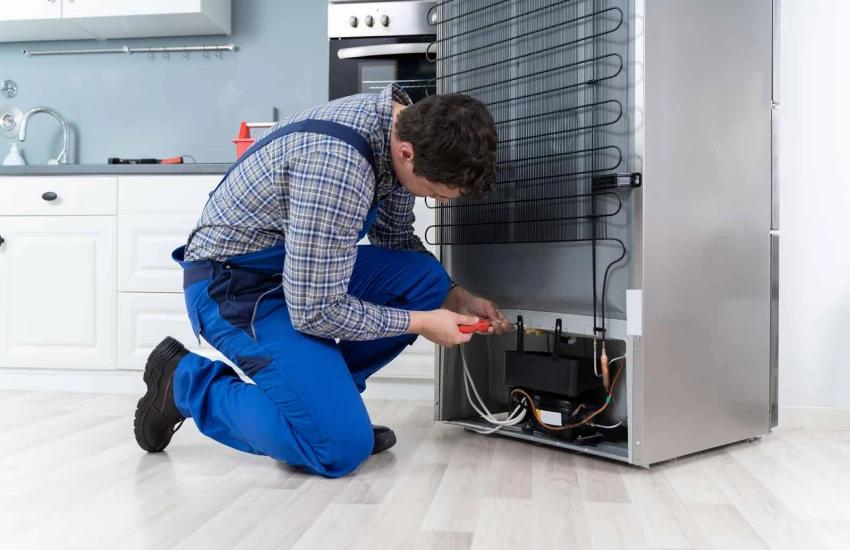
The back of your fridge houses the compressor, condenser fan, relay switch, and various electrical components. Each of these can produce clicking under different conditions.
The Start Relay: A Common Culprit
The start relay is a small component that helps the compressor start its cooling cycle. When the relay fails or begins to wear out, it often produces a repeated clicking sound. The compressor tries to start, fails, clicks, and tries again. This cycle can repeat every few minutes.
A faulty start relay is one of the most frequent causes of clicking sounds from the back of your fridge. You can test the relay by removing it and giving it a shake. A rattling sound inside the relay almost always means it needs replacement. This is a relatively affordable repair, but it does require proper diagnosis before you replace parts.
If your fridge is also not cooling properly alongside the clicking, the start relay is a strong suspect. A qualified technician can confirm this quickly during an inspection.
The Compressor Cycling On and Off
The compressor is the heart of your refrigerator’s cooling system. It compresses refrigerant gas and circulates it through the system to maintain cold temperatures. Every time the compressor starts or stops, it can produce a soft clicking or clunking sound.
This type of clicking is typically normal. Most refrigerators cycle their compressor several times per hour. If the clicking happens at predictable intervals and your fridge maintains temperature properly, the compressor is likely doing its job.
However, if the clicking sounds louder than usual, more frequent, or erratic, the compressor may be struggling. An overworked or failing compressor needs prompt attention. Ignoring it can lead to complete cooling failure and costly repairs.
Condenser Fan Issues
The condenser fan sits near the back of your fridge and keeps the compressor and condenser coils cool. When the fan blades hit debris, a loose wire, or begin to wear out, they can create clicking or ticking sounds.
Dust and pet hair commonly build up around the fan over time. A quick cleaning of the condenser area can sometimes eliminate the noise immediately. If the fan motor itself is failing, the clicking will persist even after cleaning. Replacing a condenser fan motor is a straightforward repair for a trained technician.
Ice Maker and Defrost Timer Clicks
If your refrigerator has a built-in ice maker, clicking sounds can come from the ice maker arm, the water inlet valve, or the ice ejection mechanism. These clicks typically happen in short bursts and are considered normal operation.
The defrost timer also produces clicking sounds as it switches the fridge between cooling and defrost modes. These clicks are predictable and harmless. If you notice the clicking always happens at the same time of day or night, the defrost timer is the most likely source.
When Clicking Sounds Become a Warning Sign
Not all clicks deserve a relaxed response. You should contact a technician when clicking sounds are accompanied by the fridge not cooling, the compressor running constantly without cycling off, burning smells near the back of the unit, or the fridge tripping a circuit breaker.
These combinations suggest a serious electrical or mechanical problem. Continuing to run the appliance in this state risks further damage and potential safety hazards.
JAY Appliance Repair Leduc strongly recommends acting quickly when clicking sounds come with any of these warning signs. Early intervention typically means a simpler, less expensive fix.
Preventive Maintenance Keeps Clicks Away
Routine maintenance reduces the chance of developing clicking problems in the first place. Clean the condenser coils at least once a year. Keep the area behind and beneath your fridge clear of dust and debris. Check that the fridge sits level on the floor, since uneven positioning puts extra strain on the compressor.
Inspect door seals regularly. When seals fail, the compressor works harder to maintain temperature, which accelerates wear and increases the chance of noise and breakdown.
If you also rely on a standalone unit for frozen storage, proper care of your freezer repair needs follows the same principles — clean coils, level placement, and functional seals.
Diagnosing the Problem Yourself vs. Calling a Pro
Some homeowners feel comfortable doing basic checks. You can safely look at whether the fridge is level, clean the condenser coils, remove and shake the start relay, and listen carefully to identify where the clicking originates.
Beyond these basic steps, appliance repair involves electrical components and refrigerant systems that require professional training and proper tools. Attempting advanced repairs without experience can cause additional damage or create safety risks.
JAY Appliance Repair Leduc technicians arrive with the diagnostic tools and parts knowledge to identify the source of clicking sounds accurately. Rather than guessing and replacing components at random, they pinpoint the issue and fix it correctly the first time.
Other Appliances in Your Kitchen Deserve Attention Too
While addressing your fridge, it’s worth considering the overall health of your kitchen appliances. A clicking or sparking stove repair issue deserves the same prompt attention as a noisy fridge. Similarly, if your dishwasher repair needs have been piling up, bundling service visits can save you time and money.
Staying on top of all your appliances reduces the chance of unexpected failures and keeps your household running smoothly.
What to Tell Your Technician
When you call for service, providing clear information speeds up the diagnosis. Tell the technician when the clicking started, how often it happens, whether it comes with other symptoms like temperature problems or unusual smells, and whether anything changed recently such as a power outage or the fridge being moved.
This information helps the technician prepare for the visit and arrive with the most likely replacement parts already on hand.
Closing Thoughts
Clicking sounds from the back of your fridge range from completely harmless to genuinely serious. The start relay, compressor, condenser fan, ice maker, and defrost timer all produce their own distinct sounds. Learning to distinguish normal operational clicks from warning signs puts you in a much better position as a homeowner.
When you’re unsure, the safest choice is always to have a qualified technician take a look. Catching a small issue early almost always costs less than waiting until the problem becomes a full breakdown. For trusted local service you can count on, visit appliancerepairleduc.ca to learn more about available repairs and book an appointment with JAY Appliance Repair Leduc today.
Frequently Asked Questions
Is it normal for a fridge to make clicking sounds? Yes, some clicking is completely normal. The compressor cycling on and off, the defrost timer switching modes, and the ice maker operating all produce clicks. The concern arises when clicking is unusually loud, very frequent, or paired with cooling problems.
What does a clicking start relay sound like? A failing start relay typically produces a repetitive click every few minutes as the compressor attempts to start and fails. You may also notice the fridge is not maintaining its set temperature. Removing the relay and shaking it — if you hear rattling inside — usually confirms it needs replacement.
Can I fix clicking fridge sounds myself? Basic checks like cleaning condenser coils, leveling the fridge, and testing the start relay are manageable for handy homeowners. However, diagnosing compressor problems, fan motor failures, or electrical faults requires professional tools and training. Attempting those repairs without experience risks additional damage.
How much does it cost to fix a clicking fridge? Repair costs vary based on the component causing the clicking. A start relay replacement is among the least expensive fixes. Compressor repairs or replacements cost significantly more. A proper diagnosis from a technician gives you an accurate estimate before any work begins.
How do I know if my fridge compressor is failing? Signs of a failing compressor include loud or erratic clicking, the fridge running constantly without reaching temperature, warm interior temperatures despite the motor running, and the compressor feeling excessively hot to the touch. If you notice these signs together, contact a technician promptly.