
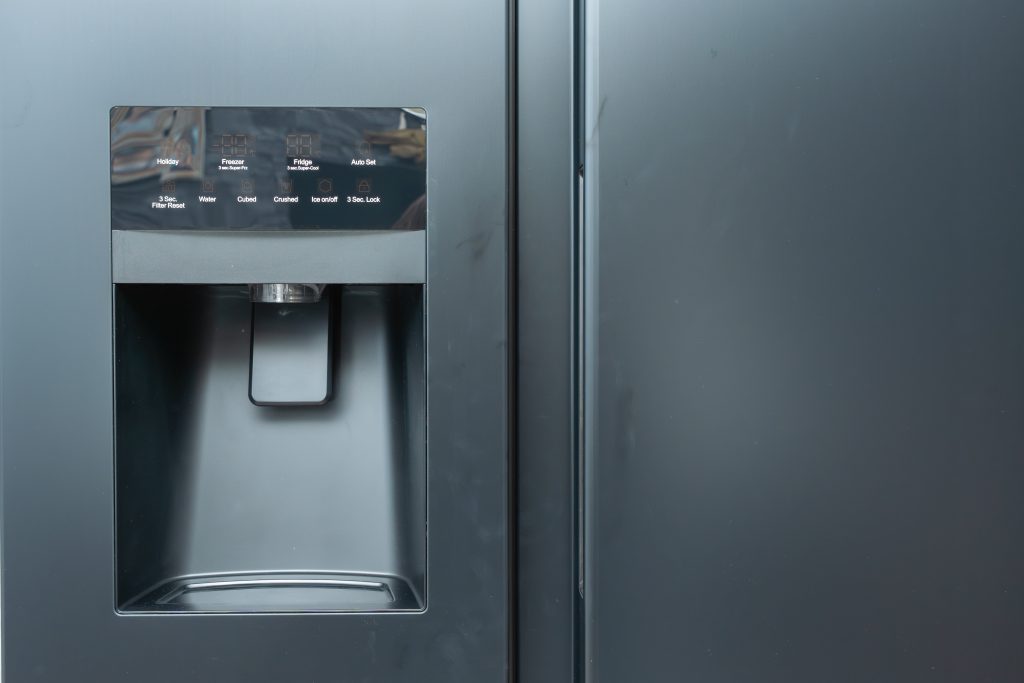
Summer heat puts extra pressure on kitchen appliances. Consequently, many homeowners notice their refrigerator running almost nonstop. That constant humming sound often signals airflow trouble, dirty coils, or weak cooling performance. JAY Appliances sees this issue often during warmer Alberta months. In many homes, refrigerators struggle because kitchens trap heat throughout the day. As a result, the compressor works harder and longer.
A packed fridge also creates cooling problems. For example, blocked vents stop cold air movement between compartments. In addition, warm leftovers raise internal temperatures quickly. Many people overload shelves during summer gatherings and grocery trips. Therefore, the fridge loses efficiency faster than expected. Small habits often create major cooling stress over time.
Dirty Condenser Coils Increase Energy Costs
Condenser coils release heat from the refrigerator system. However, dust buildup traps that heat around the appliance. Consequently, the compressor runs longer to maintain cooling levels. Many homeowners never check these coils during regular cleaning. JAY Appliances recommends inspecting them every few months during summer.
Pet hair creates another common issue. For instance, homes with dogs or cats often collect thick debris behind refrigerators. That buildup blocks airflow around the motor area. As a result, electricity bills rise without warning. Cleaning the coils usually improves performance immediately.
Meanwhile, poor kitchen ventilation makes the situation worse. Tight spaces around the appliance hold heat near the compressor. Therefore, refrigerators struggle during hot afternoons. Many older homes in Alberta have limited airflow around kitchen appliances. Small spacing adjustments often improve cooling efficiency quickly.
Some households also ignore nearby appliance heat. For example, ovens and dishwashers release warmth into kitchen spaces daily. If your refrigerator sits beside those appliances, it may overwork constantly. In addition, summer cooking creates even more heat pressure indoors.
Many families also schedule washer repair services during summer because laundry rooms become warmer and more humid. Appliance heat affects nearby cooling systems more than most people realize.
Door Seal Problems Cause Constant Cooling Cycles
Fridge door seals play a major role in temperature control. However, worn gaskets allow warm air inside continuously. Consequently, the refrigerator keeps cooling without stopping properly. Small seal gaps often appear near corners first. Many homeowners miss those signs completely.
A quick paper test helps identify seal problems. Close the fridge door on a sheet of paper. Then pull gently. If the paper slides easily, the seal may need replacement. Therefore, checking door resistance saves time and energy costs.
Food placement also affects door performance. For example, oversized containers prevent full closure. Some homeowners accidentally leave doors slightly open overnight. As a result, the appliance struggles for hours. JAY Appliances often finds this issue during summer service visits.
Meanwhile, nearby laundry heat creates extra kitchen stress. Some homeowners notice increased appliance problems together. Consequently, many customers request a dryer repair technician after spotting high indoor heat levels and appliance overuse.
Kitchen activity increases during family gatherings. In addition, frequent fridge opening raises internal temperatures quickly. Therefore, refrigerators cycle longer after busy evenings or weekend events.
When Constant Running Signals a Bigger Problem
Sometimes nonstop operation points to failing components. For instance, damaged thermostats send incorrect temperature readings. Faulty evaporator fans also reduce cooling circulation. As a result, refrigerators lose efficiency and cooling balance. JAY Appliances checks these components during inspections.
Strange noises often appear before major failure. Clicking sounds, buzzing, or loud humming may indicate compressor stress. Consequently, delaying repairs can increase future costs. Early diagnosis protects the appliance and food storage reliability.
Warm freezer sections also create warning signs. Many homeowners notice soft ice cream or melting frozen food first. Therefore, temperature changes should never get ignored. Quick action usually prevents compressor damage.
Homeowners often book fridge repair in St Albert after seeing condensation around shelves or water pooling near doors. Those symptoms usually indicate airflow or cooling problems developing inside the system.
Kitchen moisture creates additional problems during summer. For example, humid air affects appliance sensors and cooling cycles. In addition, clogged drains sometimes create unpleasant odors nearby. Some customers request help from dishwasher repair experts when excess moisture spreads through kitchen areas.
Cooking appliances also influence refrigerator performance. Heat from frequent baking raises surrounding temperatures fast. Therefore, homeowners often schedule an oven repair appointment while addressing kitchen cooling issues at the same time.
JAY Appliances recommends quick inspections before small cooling issues become expensive repairs. Early maintenance protects appliance performance during Alberta’s hottest months.
FAQs
- Why does my fridge run longer during summer?
Hot indoor temperatures force the compressor to work harder. Consequently, cooling cycles last longer during warmer months. - Can dirty coils damage my refrigerator?
Yes. Dirty coils trap heat and increase compressor strain. Therefore, the appliance may fail earlier. - How often should I clean condenser coils?
Most homes should clean coils every three to six months. Homes with pets may need more frequent cleaning. - Is nonstop fridge operation dangerous?
Continuous running increases wear on cooling parts. As a result, repair costs may rise if ignored. - What temperature should my refrigerator maintain?
Most refrigerators work best around 37°F or 3°C for safe food storage.